Embroidery: A Bold Retro Script Display Font
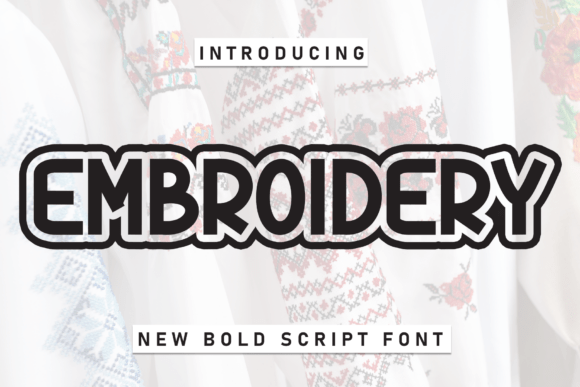
In the crowded landscape of digital typography, finding a typeface that commands attention without screaming for it is a rare challenge. Embroidery answers this call with a distinct personality that bridges the gap between vintage nostalgia and modern graphic impact. It is not merely a font; it is a bold and artistic display font with a retro script flair and a thick outlined design. For designers, entrepreneurs, and creatives looking to inject character into their work, Embroidery offers a visual identity that feels both handcrafted and professionally polished.
The true value of Embroidery lies in its ability to transform simple text into a focal point. Unlike standard sans-serif or serif fonts that serve as passive carriers of information, this stylized typeface demands to be seen. Its thick outlines create a sense of depth and dimensionality, mimicking the look of stitched thread or screen-printed ink. This makes it an ideal choice for standout headings, apparel prints, ethnic-inspired designs, or DIY crafts that need a strong visual identity. When used correctly, it does more than convey words; it sets a mood and establishes a brand tone instantly.
Mastering Visual Hierarchy with Thick Outlines
One of the most practical benefits of using Embroidery is its capacity to establish immediate visual hierarchy. In web design, marketing materials, or packaging, the headline often determines whether a viewer continues reading or scrolls past. The thick outlined design inherent to this font creates a natural separation from body text, ensuring that key messages are never lost in a sea of content.
Consider a small business owner designing a flyer for a local artisan market. Using a standard script font might result in text that looks elegant but fades into the background when printed on textured paper. However, applying Embroidery ensures the event name pops off the page. The heavy strokes act as a frame, drawing the eye directly to the most important information. This is particularly effective for standout headings where clarity and impact must coexist. By leveraging the font's structural weight, creators can simplify their layout decisions, knowing the typography itself will carry the visual load.
Creating Depth Without Complex Graphics
Achieving a three-dimensional look in design often requires complex vector illustrations or time-consuming photo editing. Embroidery simplifies this process by embedding depth directly into the character shapes. The contrast between the solid fill and the thick outline gives the illusion of layering, similar to a patch sewn onto denim or a badge pinned to a jacket. This saves significant time for freelancers and marketers who need high-quality assets quickly.
For example, a clothing brand launching a new summer collection could use this font for their tagline on product tags. Instead of hiring an illustrator to create a custom logo mark, the brand can simply typeset the name in Embroidery. The result is a professional, cohesive look that aligns with the tactile nature of fashion. This efficiency allows teams to focus their resources on other critical aspects of the campaign, such as photography or copywriting, while still maintaining a high standard of aesthetic quality.
Infusing Retro Flair into Modern Branding
Nostalgia is a powerful tool in marketing, yet executing a "retro" aesthetic without appearing dated requires precision. Embroidery captures a specific era of design—the golden age of Americana and mid-century advertising—while remaining versatile enough for contemporary applications. Its retro script flair evokes feelings of authenticity, craftsmanship, and heritage, which are highly valued by consumers aged 20 to 50 who seek genuine connections with brands.
This font is especially beneficial for businesses operating in sectors like food and beverage, hospitality, or handmade goods. Imagine a coffee shop rebranding to emphasize its commitment to traditional brewing methods. A sleek, minimalist font might communicate efficiency, but Embroidery communicates tradition and care. The stylized characters suggest a human touch, reinforcing the narrative that the products are made with intention. This emotional resonance can strengthen communication with target audiences who prioritize story and origin over mass production.
Apparel Prints and Textile Design
The application of Embroidery extends naturally into the world of textiles. As the name suggests, the font's structure mimics the physical constraints and aesthetics of actual needlework. For designers creating apparel prints, this font provides a ready-made solution for t-shirts, hoodies, hats, and tote bags. The thick lines hold up well during the printing process, resisting the blurring that often affects thinner scripts when transferred to fabric.
Entrepreneurs running print-on-demand stores will find this font particularly useful for niche markets. Whether targeting fans of vintage rock bands, enthusiasts of classic cars, or lovers of folk art, the font adapts seamlessly. It allows for large, bold statements on the back of a shirt or smaller, intricate details on a sleeve patch. Because the design is self-contained within the letterforms, it reduces the need for additional graphical elements, streamlining the production workflow and reducing costs.
Ethnic-Inspired Designs and Cultural Storytelling
Cultural motifs and ethnic patterns are increasingly popular in global design, but they require respectful and thoughtful execution. Embroidery serves as an excellent vehicle for ethnic-inspired designs because its organic curves and decorative flourishes echo traditional calligraphy and hand-stitching found in various cultures around the world. It provides a neutral yet expressive canvas upon which cultural stories can be told without resorting to clichés.
Designers working on projects related to festivals, community events, or cultural preservation initiatives can leverage this font to honor tradition. For instance, a nonprofit organization celebrating a harvest festival might use Embroidery for their promotional banners. The font's warmth and approachability invite participation, making the event feel inclusive and welcoming. It bridges the gap between formal typography and folk art, allowing for a design language that feels rooted in history yet accessible to modern audiences.
Detailed Considerations for Craftsmanship
While the font excels in many areas, it is essential to recognize its limitations to ensure the best results. Because Embroidery is a display font with complex details, it is not suitable for long paragraphs of body text. The thick outlines and stylized characters can become difficult to read at small sizes or in dense blocks. Users should reserve this typeface for headlines, logos, short slogans, and decorative elements where legibility is supported by ample white space.
Furthermore, when using the font for DIY crafts, material choice matters. On very dark backgrounds, the white or light-colored outlines may lose definition if the print resolution is low. Conversely, on busy patterned backgrounds, the intricate details might get lost. Designers should test their compositions at full scale before finalizing any project. Comparing Embroidery with simpler alternatives can help determine if the added stylistic flair is necessary for the specific context or if a plainer font would serve the message better.
Empowering Creativity in DIY Projects
For hobbyists and makers, Embroidery opens up a world of creative possibilities that were previously limited by technical skill. Many individuals want to create personalized gifts or home decor items but lack the design expertise to create custom lettering from scratch. This font removes that barrier, providing a professional-grade aesthetic that elevates amateur projects to a level of polish that rivals commercial products.
Whether you are creating wedding invitations, customizing leather journals, or designing signage for a garage sale, the font's versatility supports a wide range of outcomes. It encourages experimentation with color combinations, layering effects, and mixed media. By integrating Embroidery into your toolkit, you gain a reliable asset that consistently delivers a strong visual identity. It empowers you to make confident design choices, ensuring that your creative vision is communicated clearly and effectively to your audience.
Ultimately, the decision to use Embroidery is about choosing a voice for your visual communication. It speaks of confidence, creativity, and a connection to the past. By understanding its strengths and limitations, you can harness its unique qualities to solve design problems, enhance your brand, and create work that truly stands out in a competitive marketplace.