Rodbar Block: Integrating Rustic Typography into Your Design Workflow
In the realm of digital design, the choice of typography often dictates the emotional resonance of a project before a single image is placed. While geometric sans-serifs and elegant serifs dominate corporate communications, there is a distinct niche for fonts that evoke tactile, natural experiences. Rodbar Block fills this specific gap as a fun, wood-textured display font designed to bring a bold and rustic personality to visual assets. It is not merely a decorative element but a functional tool that communicates craftsmanship, durability, and organic charm. For professionals ranging from branding consultants to independent publishers, understanding how to integrate Rodbar Block into a structured design process can elevate the perceived value of a project while maintaining strong visual impact.
Defining the Visual Identity of Rodbar Block
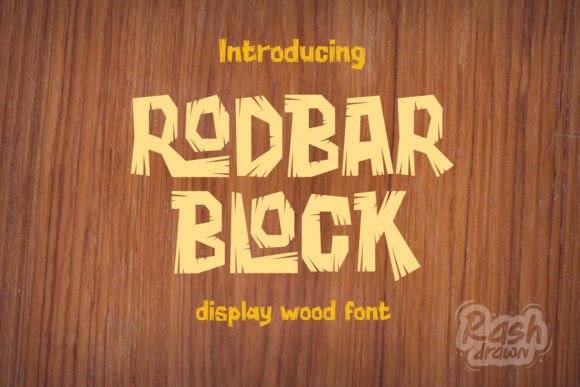
Before implementing any asset into a workflow, it is essential to understand its inherent characteristics and limitations. Rodbar Block is inspired by handcrafted signage and natural materials, featuring chunky letterforms with detailed grain textures that mimic the look of woodcut prints. This aesthetic is deliberate; it moves away from the sterile perfection of vector shapes to embrace the irregularity found in nature. The texture within the font suggests age, history, and a connection to the physical world.
This makes Rodbar Block particularly effective for projects where authenticity is a primary selling point. Unlike standard display fonts that rely on weight or style alone, Rodbar Block utilizes surface detail to create depth. When viewed at scale, the grain patterns interact with light and shadow in digital renders, giving the illusion of three-dimensional materiality. However, because of these intricate details, the font requires careful consideration regarding resolution and application context. It is best suited for headlines, logos, and short phrases rather than body copy, ensuring that the texture remains legible and impactful without becoming visually noisy.
Strategic Integration in Branding Workflows
For entrepreneurs and small business owners, the decision to use a textured font like Rodbar Block often occurs during the initial brand strategy phase. This is the stage where the core values of the business are translated into visual language. If a brand positions itself around sustainability, outdoor adventure, artisanal goods, or family-friendly entertainment, Rodbar Block serves as an immediate visual shorthand for these concepts.
When planning a rebrand or launching a new product line, designers should evaluate Rodbar Block against the existing brand palette and other typographic choices. Because the font carries such a strong rustic personality, it pairs best with neutral color palettes—earthy greens, browns, creams, and slate grays—that allow the wood texture to stand out. In contrast, placing it over busy backgrounds or neon colors can clash with the organic intent of the design. A practical workflow involves creating a mood board first, testing Rodbar Block alongside potential imagery and color swatches to ensure cohesion. This pre-implementation step prevents the common pitfall of forcing a stylistic choice that contradicts the brand's overall narrative.
Furthermore, Rodbar Block interacts well with minimalist layouts. Since the font itself provides significant visual interest through its texture, the surrounding whitespace should be generous. This balance ensures that the viewer’s eye is drawn to the message without feeling overwhelmed. In a branding kit, Rodbar Block can serve as the primary display typeface for headers, while a clean, simple sans-serif handles navigation and body text. This combination creates a hierarchy that feels both modern and grounded.
Application in Publishing and Packaging Design
The versatility of Rodbar Block extends significantly into publishing and packaging sectors, where tactile association is crucial. For authors of children’s books, the font offers a playful yet sturdy feel that appeals to young readers and parents alike. When designing a book cover, Rodbar Block can be used for the title to suggest adventure, nature exploration, or storytelling rooted in folklore. The chunky letterforms are robust enough to withstand various printing processes, making them reliable for mass production.
In the context of packaging design, particularly for food, beverages, or eco-friendly products, Rodbar Block acts as a trust signal. Consumers often associate wood textures with natural ingredients and sustainable practices. When integrating the font into a label or box design, the designer must consider the substrate. Printing Rodbar Block on kraft paper or unbleached cardstock enhances the realism of the wood grain effect, creating a seamless synergy between the digital design and the physical material. Conversely, printing on glossy, high-gloss stock might diminish the rustic effect unless the texture is rendered with high precision.
A critical aspect of the implementation process here is quality control. Because the font features detailed grain, low-resolution exports can result in pixelation or blurring of the texture. Designers working in Adobe Illustrator or similar vector software should ensure that the font is rasterized at a sufficiently high DPI if converting to bitmap formats for print. Alternatively, keeping the text as a vector outline allows for infinite scaling without loss of quality, provided the printer supports complex path data. This technical consideration is vital for maintaining the professional appearance of the final product.
Workflow Efficiency and File Management
Integrating specialized fonts like Rodbar Block into a team environment requires attention to file management and compatibility. In collaborative workflows, ensuring that all stakeholders have access to the same font files is essential to prevent layout shifts. If a freelancer sends a mockup using Rodbar Block, the client or the production team must have the license and the installed font to view the design accurately. Without this, the text may revert to a default system font, completely altering the intended aesthetic and potentially leading to approval errors.
To mitigate this risk, a standardized process involves embedding fonts in PDF proofs or outlining text in final deliverables before sending them to print vendors. Outlining converts the text into vector shapes, locking in the specific texture and shape of Rodbar Block regardless of the recipient's software setup. However, this step should only be taken after all copy edits are finalized, as outlined text cannot be edited easily. Establishing a clear protocol for when to outline versus when to keep text editable streamlines the production timeline and reduces the likelihood of costly revisions.
Additionally, organizing assets logically helps maintain consistency across multiple projects. If Rodbar Block is part of a brand’s core identity, it should be stored in a shared asset library with clear naming conventions. This includes saving variations of the logo created with the font, along with guidelines on minimum sizing and safe zones. These documentation efforts ensure that even if different designers work on the brand over time, the application of Rodbar Block remains consistent, preserving the integrity of the visual identity.
Practical Use Cases and Creative Adaptation
Beyond traditional branding and packaging, Rodbar Block finds utility in event marketing and promotional materials. Posters for outdoor festivals, hiking club events, or craft fairs benefit immensely from the font’s rugged aesthetic. The boldness of the letterforms ensures readability from a distance, while the texture adds a layer of thematic relevance that plain fonts cannot achieve. When designing these assets, creators can experiment with layering effects, such as adding drop shadows or slight opacity changes to simulate depth, further enhancing the woodcut impression.
For educators and content creators, Rodbar Block can be used to create engaging headers for worksheets, presentations, or educational posters focused on nature, history, or art. Its playful character makes learning materials feel less rigid and more inviting. However, accessibility remains a key consideration. While the font is visually striking, the texture can sometimes reduce contrast for users with visual impairments. In digital applications, it is advisable to use Rodbar Block primarily for large headings and to pair it with high-contrast, plain text for important information to ensure inclusivity.
Ultimately, the successful integration of Rodbar Block depends on a thoughtful approach to the design process. It is a tool that demands respect for its unique qualities. By understanding its strengths in evoking natural charm and its requirements for high-quality execution, designers can leverage it to create work that stands out. Whether crafting a logo for a startup, designing a book cover, or developing a packaging concept, Rodbar Block offers a distinctive voice that connects audiences with the warmth and reliability of the natural world. When used with intention and technical precision, it transforms simple text into a compelling visual experience that resonates with the target audience.