Lazy House: A Bold Choice for Unconventional Design
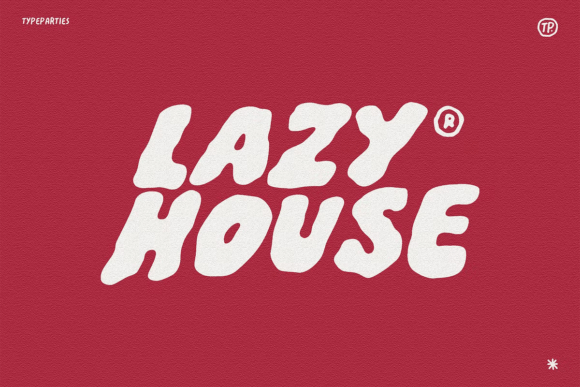
Lazy House, also known as LAZY HOUSE, is more than just a font—it's a design statement. As an unstructured display font with a bold style, it breaks away from traditional typography norms, offering a fresh and daring visual voice. Whether you're a designer, marketer, or content creator, Lazy House can elevate your work with its raw, energetic appeal. But like any unique design tool, it comes with considerations that can make or break your project if overlooked.
What Makes Lazy House Stand Out
Lazy House is intentionally irregular. Its uneven lines, unpredictable shapes, and bold weight give it a modern, handcrafted feel that's both expressive and attention-grabbing. This typeface works best in contexts where creativity and personality are key—think posters, branding elements, digital banners, or editorial features.
Its strength lies in its ability to convey confidence and originality without being overly complex. However, that same strength can become a drawback if used without careful thought.
1. Using Lazy House for Long-Form Text
One of the most frequent errors is applying Lazy House to body text or extended paragraphs. Its bold, unstructured nature is visually powerful, but not ideal for readability. The irregular shapes that make it stand out in headlines become distracting when used in large blocks.
Better approach: Use Lazy House only for short bursts of text—headings, titles, or accent phrases. Pair it with a clean, legible sans-serif or serif font for body content to maintain balance and readability.
2. Overlooking Licensing Details
Many users download Lazy House without checking the licensing terms. Some versions may be free for personal use but require a commercial license for business applications. Ignoring this detail can lead to legal issues, especially in branding or advertising materials.
Better approach: Always verify the license before use. If you're working on a client project or commercial product, ensure the font is cleared for that purpose. Consider purchasing a premium version if available—it often includes better support and usage rights.
3. Misjudging Context and Audience
While Lazy House brings a modern edge, it’s not universally appropriate. For example, using it in formal reports, legal documents, or corporate presentations can clash with the expected tone and reduce professionalism.
Better approach: Match the font to your message and audience. Lazy House thrives in creative, informal, or youth-oriented contexts. If your project requires authority or tradition, opt for a more structured typeface.
4. Pairing with Incompatible Fonts
Improper font pairing can dilute the impact of Lazy House. Combining it with another bold or decorative font often creates visual noise. Even some minimalist fonts may feel too stark, leading to an unbalanced design.
Better approach: Choose complementary fonts that provide contrast without competing. A simple sans-serif like Montserrat or Open Sans can create a strong visual hierarchy while letting Lazy House shine as the focal point.
What to Check Before Downloading or Buying Lazy House
Before committing to Lazy House, evaluate the following to ensure it’s the right fit for your needs:
- Availability of Glyphs: Check if the font includes special characters, numbers, and punctuation you may need, especially for multilingual projects.
- File Formats: Make sure it's available in standard formats like OTF or TTF for broad compatibility across design tools.
- Designer Reputation: Look into the font creator or foundry. Reputable sources often provide better quality control and support.
- Preview and Testing: Use online previews or trial versions if available. Seeing how Lazy House looks in your specific layout can prevent surprises later.
Maximizing Lazy House in Real Projects
When used thoughtfully, Lazy House can be a powerful design asset. Here are a few examples of how to apply it effectively:
- Music Poster Design: Use Lazy House for the artist name or event title to reflect energy and creativity. Pair with a simple background and supporting text in a neutral font.
- Brand Logos: Incorporate Lazy House in a logo for a streetwear brand or creative studio where a bold, modern look aligns with the brand identity.
- Social Media Graphics: Apply it in Instagram stories or TikTok overlays to add visual flair without overwhelming the message.
In each case, the font adds personality but remains functional. The key is balance—let Lazy House lead the visual tone, but support it with structure elsewhere.
Final Thoughts: Choosing Creativity with Care
Lazy House is a bold, expressive font that invites creativity and stands out in a sea of predictable typography. But like any design element, its effectiveness depends on how it's used. Avoiding common mistakes—like misusing it for long text, ignoring licensing, or poor font pairing—ensures your work benefits from its strengths without compromising quality or clarity.
Whether you're a seasoned designer or just starting out, take a moment to evaluate your project's needs before diving into Lazy House. When applied with intention, it can be the perfect finishing touch that turns good design into unforgettable design.