Kinder Bubble: A Retro Font for Modern Nostalgic Designs
When it comes to crafting designs that blend a sense of nostalgia with modern aesthetics, Kinder Bubble stands out as a unique choice. This retro-styled font captures the essence of simpler times, offering a whimsical yet elegant touch to a wide range of creative projects. Whether you're working on greeting cards, t-shirts, or home décor items like doormats and mugs, Kinder Bubble can help you achieve that vintage charm without feeling outdated.
What Sets Kinder Bubble Apart
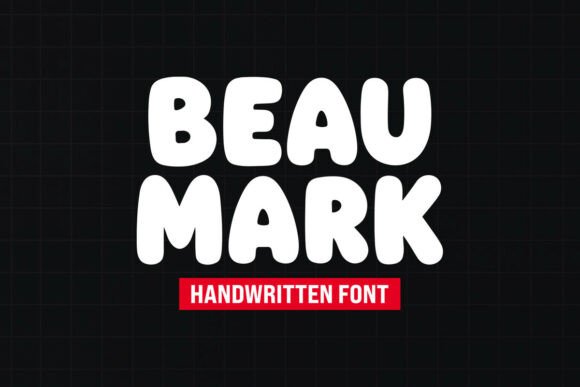
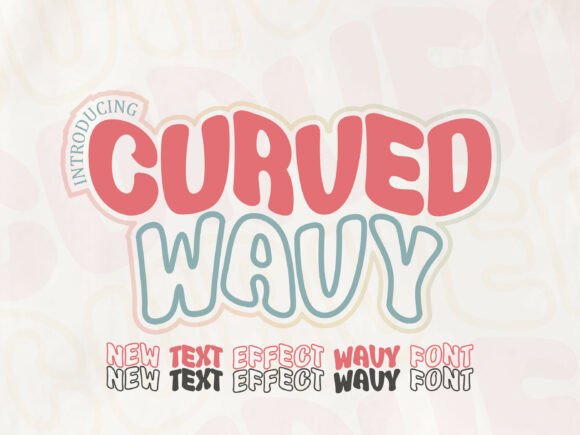
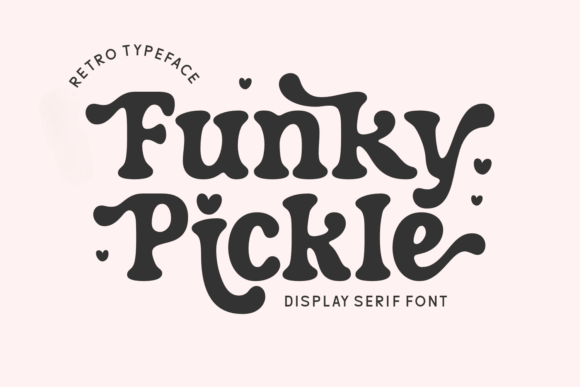
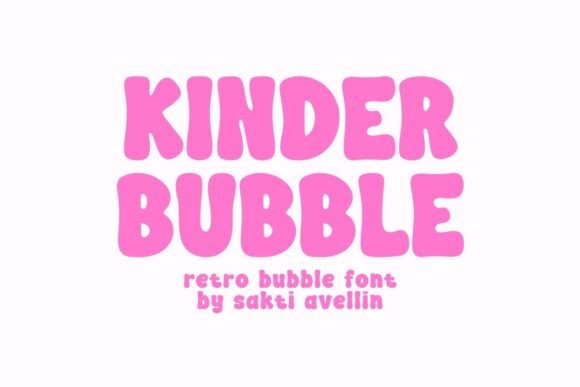
Kinder Bubble is more than just a font with rounded edges; it’s a carefully designed typeface that evokes a specific era while maintaining a clean, readable structure. Unlike many modern sans-serif fonts that prioritize minimalism, Kinder Bubble introduces subtle quirks—like soft curves and a slightly uneven baseline—that give it character without compromising legibility. Its bubble-like letterforms are reminiscent of mid-century design, making it ideal for projects that aim to feel both nostalgic and approachable.
One of the defining features of Kinder Bubble is its versatility. While many retro fonts lean heavily into a specific decade and can feel too stylized for broad use, Kinder Bubble strikes a balance. It's playful enough for children's designs yet refined enough for adult-oriented branding or lifestyle products. This dual appeal makes it a go-to for designers who want to incorporate vintage flair without alienating a contemporary audience.
Comparing Kinder Bubble with Similar Retro Fonts
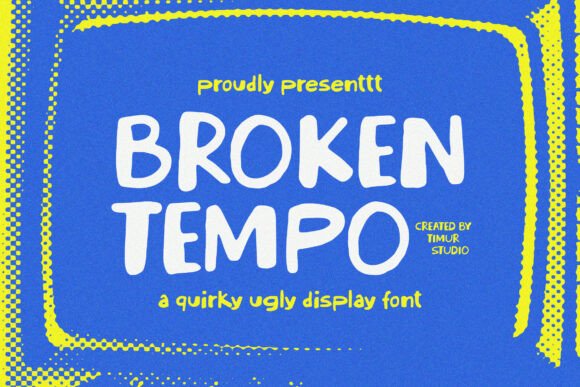
When exploring retro fonts, designers often encounter options like Comic Sans MS, Coolvetica, or KG Red Hands. Each of these fonts has its own personality and intended use case. Comic Sans, for instance, is widely recognized for its casual, hand-drawn appearance, but it's often criticized for being overused and lacking professionalism. Coolvetica leans more into a 1950s aesthetic with a clean, all-caps style, making it great for signage but less flexible for body text. KG Red Hands offers a more whimsical, brush-painted look that works well in educational or playful contexts but may not suit more refined applications.
Kinder Bubble fits into this landscape as a middle ground—retro enough to stand out, but versatile enough to be used across different mediums. It avoids the overly cartoonish look of some bubble fonts while still maintaining a friendly, approachable tone. This makes it a more balanced option for designers who want a vintage feel without sacrificing usability.
Strengths and Best-Use Scenarios
One of the primary strengths of Kinder Bubble is its readability in both small and large formats. Whether printed on a tote bag or used in digital illustrations, the font maintains clarity and charm. This makes it especially effective for:
- Custom T-shirts and Apparel – The font’s rounded shapes and soft edges give clothing designs a vintage toy-store feel, perfect for boutique branding or nostalgic slogans.
- Greeting and Birthday Cards – Kinder Bubble adds a personal, handcrafted touch to card designs, making messages feel more heartfelt and unique.
- Home Décor Items – From doormats to wall art, this font enhances the welcoming nature of home accessories with a gentle, familiar aesthetic.
- Branding for Lifestyle or Children’s Products – It’s especially effective for brands that want to convey warmth, simplicity, and authenticity.
Designers also appreciate how Kinder Bubble pairs well with minimalist layouts. Because the font itself carries a strong visual identity, it often works best when combined with clean backgrounds and limited color palettes, allowing the text to remain the focal point.
Tradeoffs and Limitations
Despite its many strengths, Kinder Bubble isn't a one-size-fits-all solution. Because of its distinct style, it may not be suitable for formal or highly technical applications. For instance, using Kinder Bubble in corporate reports or academic materials would likely undermine the intended tone. Additionally, while it performs well in short-form text like headlines or slogans, it can become visually tiring in longer paragraphs.
Another consideration is file format and licensing. As with any downloadable font, users should ensure they have the appropriate permissions for commercial use. Some versions of Kinder Bubble may come with restrictions depending on the source, so it's important to verify usage rights before incorporating it into client work or product lines.
When to Choose Kinder Bubble—and When to Consider Alternatives
If your goal is to create a design that feels both nostalgic and inviting, Kinder Bubble is a strong contender. It’s particularly well-suited for creative entrepreneurs, small business owners, and DIY designers who want to add a personal touch to their work without overcomplicating the layout.
However, if your project requires a more neutral or formal tone, or if you're designing for a tech-forward brand, you may want to explore other options. For example, a sleek sans-serif like Montserrat or Open Sans would better align with modern, clean aesthetics. Alternatively, if you're aiming for a stronger retro effect—such as for a 1970s-themed poster—you might opt for a more stylized font like Cooper Black or Bank Gothic.
The key is matching the font to the emotional tone of the project. Kinder Bubble excels when warmth, friendliness, and a touch of whimsy are the desired outcomes.
Practical Examples and Real-World Use Cases
Let’s look at a few real-world applications where Kinder Bubble shines:
- Custom Mugs and Tumblers – A coffee shop looking to launch a line of branded mugs could use Kinder Bubble to print short, catchy phrases like “Start Your Day Right” or “Sip & Smile.” The font’s soft curves and retro appeal would make the mugs feel handmade and nostalgic.
- Wedding Save-the-Date Cards – Couples aiming for a vintage or rustic wedding theme might choose Kinder Bubble for its charming, handwritten quality. It adds a personal touch that feels less formal than traditional serif fonts.
- Children’s Book Illustrations – In a picture book, Kinder Bubble could be used for speech bubbles or short captions, offering a playful yet legible option that complements colorful illustrations.
- Small Business Logos – A boutique bakery or toy shop might incorporate Kinder Bubble into their logo design to evoke a sense of nostalgia and warmth, making the brand feel more approachable.
These examples illustrate how Kinder Bubble can adapt to different design contexts while maintaining a consistent, recognizable style.
Making an Informed Design Choice
Ultimately, the decision to use Kinder Bubble—or any font—should be based on the specific needs of your project. While it’s a powerful tool for evoking nostalgia and warmth, it’s not a universal solution. Consider the audience, the medium, and the emotional tone you want to convey. If those elements align with a gentle, retro-inspired aesthetic, Kinder Bubble is a smart and effective choice. If not, there are plenty of other fonts that might better serve your design goals.
As with any design element, the best approach is to test and compare. Try setting your text in Kinder Bubble alongside a few alternatives to see how each affects the overall feel of your project. Pay attention to readability, emotional tone, and visual harmony with other design components. This thoughtful approach will help ensure your final design resonates with your intended audience.