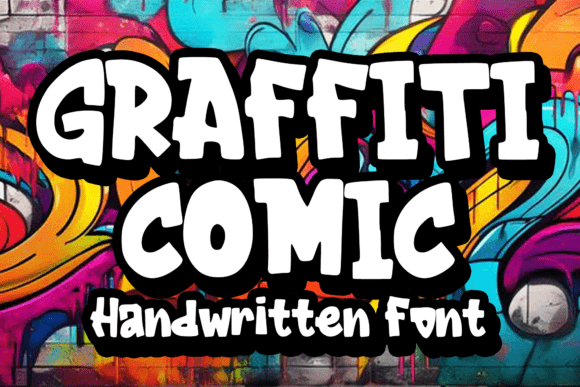
Graffiti Comic: Bold Design for Creative Projects
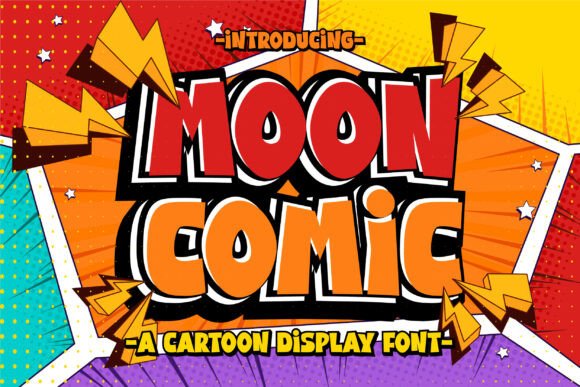
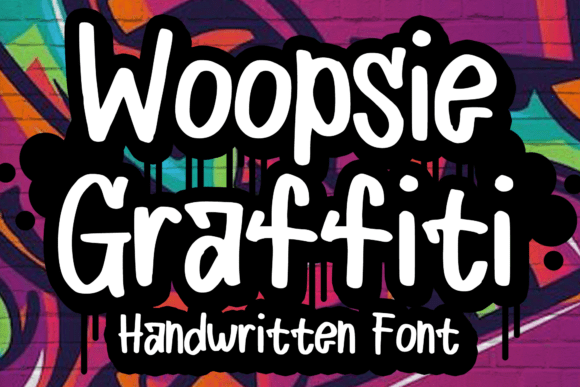
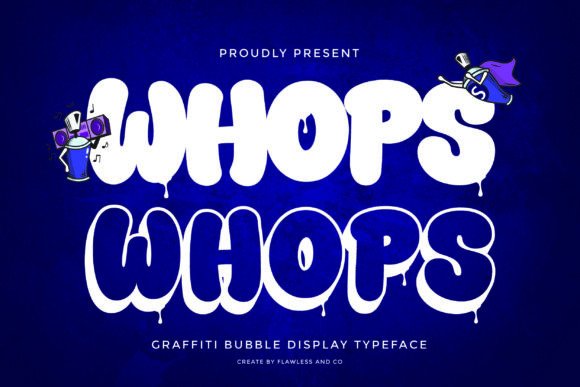
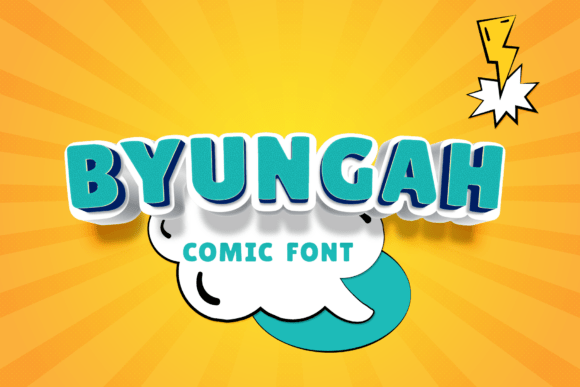
Designers, marketers, and creators looking for a font that captures energy and personality often find themselves sifting through countless options. Graffiti Comic offers a refreshing alternative. This graffiti street style display font, inspired by 90s street art and cartoons, brings a bold and fun aesthetic to a wide range of visual projects. Whether you're designing t-shirts, book covers, or promotional posters, Graffiti Comic can help your message stand out with a distinct urban flair.
Why Graffiti Comic Stands Out
Many fonts aim to capture a sense of rebellion or creativity, but few do it as effectively as Graffiti Comic. Its roots in 90s street culture give it authenticity, while its cartoon-inspired elements add a playful twist. Unlike generic graffiti fonts that can feel overused or overly aggressive, Graffiti Comic balances edge with approachability. This makes it a versatile choice across multiple design applications, from fashion to publishing.
Applications That Benefit Most from Graffiti Comic
- T-shirt and Apparel Design: Graffiti Comic works exceptionally well for clothing brands aiming to convey a youthful, rebellious energy. Its bold outlines and exaggerated letterforms make for eye-catching prints that stand out on fabric.
- Book Covers and Graphic Novels: If you're designing a book that leans into urban themes or targets a younger audience, Graffiti Comic can help set the tone. It's especially effective for young adult fiction or graphic novels where visual impact matters as much as content.
- Street Art and Murals: Digital artists and muralists can use Graffiti Comic as a base for lettering in digital mockups or stencil designs. Its stylistic consistency helps maintain visual clarity even at large scales.
- Marketing and Promotional Materials: Whether you're creating a poster for a music festival or a banner for a streetwear brand, Graffiti Comic injects vibrancy into marketing collateral. Its energetic look helps communicate excitement and movement.
How Graffiti Comic Enhances Design Workflow
Designers often struggle with fonts that look great but are difficult to work with. Graffiti Comic avoids this issue by offering a well-balanced character set that maintains readability without sacrificing style. Its clear spacing and defined outlines make it easier to integrate into layered designs. This can save time during layout adjustments and reduce the need for extensive typographic tweaking.
Supporting Creativity Without Limiting Flexibility
Creatives often seek fonts that offer both inspiration and adaptability. Graffiti Comic delivers on both fronts. Its retro-modern aesthetic can serve as the focal point of a design or complement more structured layouts. For example, a greeting card designer might use it for a humorous headline, while a sticker brand could use it to create a cohesive product line with a recognizable visual identity.
Who Should Consider Graffiti Comic
This font appeals most to designers working in youth-oriented markets, urban fashion, entertainment, or lifestyle branding. It's also a strong option for independent creators who want to infuse their personal style into a project. Entrepreneurs launching streetwear lines, bloggers designing branded graphics, and educators creating engaging classroom materials can all benefit from its expressive nature.
Real-World Design Examples
- Sticker Branding: A small business selling vinyl stickers used Graffiti Comic across their product line. The font’s exaggerated curves and bold strokes helped their designs pop, increasing customer engagement on social media platforms.
- Comic Book Lettering: An independent comic artist incorporated Graffiti Comic for speech bubbles and title cards. The font's cartoon-inspired look matched the comic’s visual tone, creating a cohesive reading experience.
- Event Posters: A local music venue used Graffiti Comic for concert posters. The font’s energetic look aligned with the venue's underground vibe, making posters more visually compelling and easier to read from a distance.
Understanding the Limitations
While Graffiti Comic is highly versatile, it’s not a one-size-fits-all solution. Due to its stylized nature, it's best suited for short text such as headlines, slogans, or captions rather than long paragraphs. Using it in body text could reduce readability, especially at smaller sizes. Additionally, projects requiring a more formal or minimalist tone may find Graffiti Comic too expressive. Designers should consider the overall message and audience when choosing this font to ensure it aligns with the intended impression.
Choosing the Right Context
Matching font style to project tone is essential for effective communication. Graffiti Comic excels in environments where fun, rebellion, or urban culture play a role. A skateboard brand launching a new line, for instance, would benefit from its street-style edge. In contrast, a law firm's website or academic journal would likely require a more traditional typeface. Understanding this fit ensures that the font enhances rather than distracts from the message.
Pairing Graffiti Comic with Other Fonts
For balanced design layouts, pairing Graffiti Comic with a more neutral font can help maintain visual harmony. Sans-serif fonts like Montserrat or Open Sans work well as supporting text when using Graffiti Comic for headlines. This contrast allows the bold style to shine without overwhelming the overall composition. Designers should also consider color contrast and spacing to ensure legibility and visual flow.
Getting the Most from Graffiti Comic
To make the most of this font, designers should experiment with different applications and layering techniques. Using it in combination with textured backgrounds or bold color schemes can amplify its visual impact. Testing at various sizes and on different mediums—whether digital or print—ensures consistent results. Additionally, exploring stylistic alternates or ligatures, if available, can add unique touches to custom designs.