Evaluating Typadelic for Retro-Inspired Design Projects
In the landscape of digital typography, specific styles often emerge to satisfy a recurring demand for nostalgia and artistic flair. Typadelic is a typeface designed to capture the aesthetic essence of the 1960s and 1970s, channeling the free-spirited energy of that era into a modern digital format. For designers, marketers, and creatives looking to evoke a sense of vintage rock 'n' roll or psychedelic charm, understanding the capabilities and limitations of this font is essential before integrating it into a project. This evaluation examines what Typadelic offers, where it fits best within a design workflow, and how it compares to other typographic options.
Understanding the Design Philosophy of Typadelic
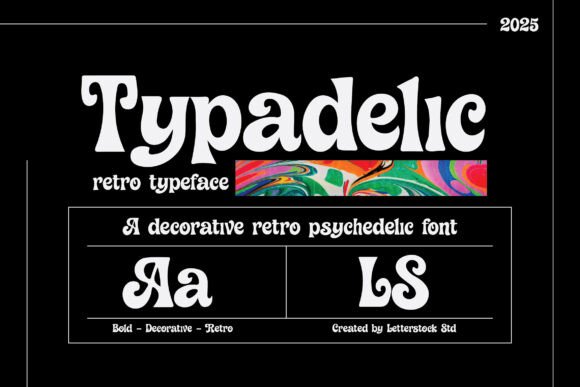
Typadelic is not merely a collection of characters; it is a stylistic interpretation of psychedelic typography. The font is characterized by bold curves, playful swirls, and handcrafted details that mimic the organic flow of hand-painted posters from the mid-20th century. Unlike geometric sans-serifs or rigid serifs, Typadelic prioritizes movement and personality. Each letterform is constructed to appear as if it is dancing, utilizing exaggerated counters and fluid strokes to create a dynamic visual rhythm.
The underlying philosophy of the font is rooted in the concept of "retro magic" with a contemporary twist. While the inspiration is historical, the execution is optimized for modern digital environments. It is available in standard TrueType (TTF) and OpenType (OTF) formats, ensuring compatibility across various operating systems and design software. This technical foundation allows the font to function reliably in both print and web contexts, bridging the gap between vintage aesthetics and current production standards.
Key Benefits for Creative Applications
For projects requiring a distinct visual identity, Typadelic offers several practical advantages. The primary benefit is its ability to instantly communicate a specific mood. When a design needs to convey fun, creativity, or a connection to the counter-culture movements of the past, this font serves as an immediate visual shorthand. This can be particularly valuable for:
- Event Promotion: Posters for music festivals, concerts, or themed parties often rely on high-impact typography to grab attention. The swirling nature of Typadelic draws the eye and suggests an energetic atmosphere.
- Album Art and Music Branding: Artists seeking a retro sound often need visual assets that match their audio style. The font's association with vintage rock makes it a logical choice for band logos or album covers.
- Lifestyle Branding: Companies selling products related to wellness, crafts, or artisanal goods may use the font to suggest a handmade, authentic quality.
Furthermore, the font's versatility in TTF and OTF formats means it can be easily integrated into standard workflows without requiring specialized plugins or converters. This accessibility reduces the technical barrier for designers who wish to experiment with psychedelic styles.
Tradeoffs and Technical Considerations
While Typadelic excels in decorative contexts, it comes with inherent tradeoffs that must be weighed against project requirements. The most significant limitation is readability at small sizes or in long blocks of text. The intricate swirls and bold curves that define the font's character can become muddy or difficult to decipher when scaled down or set in dense paragraphs.
Designers should consider the following constraints:
- Legibility Issues: Due to the complex shapes of the glyphs, Typadelic is ill-suited for body copy, instructional manuals, or any content where quick reading is paramount.
- Visual Weight: The bold nature of the font can dominate a layout. If used alongside other heavy elements, it may create visual clutter rather than hierarchy.
- Niche Appeal: The strong stylistic association with the 60s and 70s limits its applicability. It may feel out of place in corporate, minimalist, or futuristic designs.
Additionally, while the font supports standard formats, users should verify ligature support and glyph availability if they plan to use it for languages other than English or for highly stylized headers that require specific character combinations.
Situations Where Alternatives May Be Preferable
Determining whether Typadelic is the right choice often involves comparing it to alternatives. In scenarios where clarity and neutrality are the primary goals, a simpler serif or sans-serif font would be more effective. For example, a financial report, a medical brochure, or a tech startup website typically requires a typeface that conveys stability and precision—qualities that Typadelic does not inherently possess.
Even within the realm of retro design, there are nuances to consider. If a project aims for a specific decade's accuracy, such as the clean lines of 1950s diner signage or the brutalist typography of the late 70s, Typadelic's fluid, psychedelic approach might be too stylized. In these cases, a font with sharper edges or a more structured grid system might better serve the design intent. Furthermore, if the budget or licensing terms of Typadelic do not align with a client's requirements, exploring open-source alternatives with similar aesthetic profiles could be a prudent decision.
Practical Decision-Making Insights
To determine if Typadelic aligns with your specific goals, apply a structured evaluation process. Begin by defining the primary message of your design. Is the goal to inform quickly, or to evoke an emotional response? If the latter, and specifically one tied to nostalgia or artistic expression, Typadelic is a strong candidate. However, if the design relies on the user scanning large amounts of information, this font should be reserved strictly for headlines or pull quotes.
Consider the medium of delivery. On a large-format poster, the details of Typadelic will shine, allowing the viewer to appreciate the craftsmanship. On a mobile screen, however, those same details may lose definition. Always test the font at the intended final size before committing to it. Additionally, evaluate the color palette. Psychedelic fonts often pair well with vibrant, contrasting colors, but they can also work in monochrome if the contrast is high enough. Testing the font in grayscale can help ensure the shapes remain distinct without the aid of color.
Final Assessment
Typadelic represents a specialized tool within the designer's toolkit, offering a unique blend of retro charm and modern utility. Its value lies in its ability to inject personality and historical reference into a project, making it ideal for creative industries like music, events, and lifestyle branding. However, its decorative nature imposes strict limitations regarding readability and context. By carefully weighing these benefits against the potential tradeoffs, designers can make informed decisions about when to deploy Typadelic and when to seek alternative solutions. Ultimately, the font succeeds when used intentionally to enhance a specific narrative, rather than as a default choice for general communication.