Evaluating the Summer Western Font for Design Projects
Typography plays a pivotal role in visual communication, often dictating the tone and readability of a project before a single word is read. Among the myriad of typefaces available to designers, Summer Western has emerged as a distinct option for those seeking a blend of rustic charm and modern softness. This article provides an objective evaluation of the font, analyzing its characteristics, versatility, and suitability for various creative applications to help you determine if it aligns with your specific design goals.
Understanding the Aesthetic of Summer Western
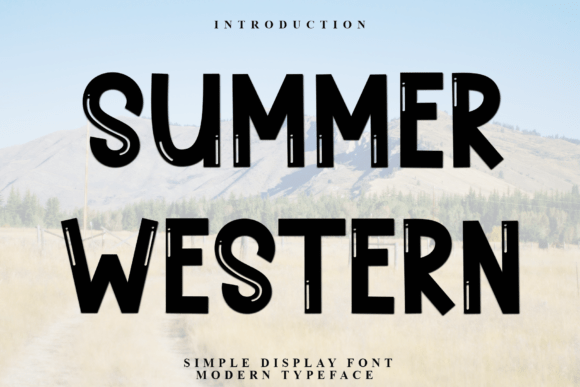
Summer Western is a display typeface designed to evoke the spirit of the American West while incorporating a contemporary, softened approach. Unlike traditional Western fonts that often rely on heavy serifs, sharp angles, and rigid structures, this typeface utilizes distinctive strokes that offer a unique character. The design philosophy behind it focuses on creating a "natural" feel, making it appear less manufactured and more organic.
The defining feature of this font is its balance between legibility and stylistic flair. It includes a variety of characters, from standard alphabets to decorative elements, allowing for flexibility in layout. The soft touch inherent in its design makes it eye-catching without being aggressive. For designers looking to move away from the harsh lines of classic cowboy typography, Summer Western offers a gentler alternative that retains the thematic essence of the genre.
Key Benefits for Creative Professionals
There are several compelling reasons why a designer might choose this typeface for their next project. The primary advantage lies in its versatility across different media. Whether used for digital interfaces or physical print materials, the font maintains its integrity due to its well-constructed glyphs.
- Visual Appeal: The unique stroke width and curvature give text a handcrafted appearance, which is highly valued in branding and packaging.
- Broad Compatibility: One of the practical strengths of Summer Western is its technical compatibility. It functions seamlessly on Windows systems and is optimized for use on open-source platforms, ensuring accessibility for a wide range of users regardless of their operating environment.
- Craft Integration: The font's natural style makes it particularly effective for crafts, scrapbooking, and DIY projects where a personal, artisanal touch is desired.
Furthermore, the font's ability to enhance designs without overwhelming them makes it suitable for audiences who appreciate subtlety. It can elevate a simple headline into a focal point while remaining readable enough for short paragraphs or captions.
Tradeoffs and Technical Considerations
While Summer Western offers significant aesthetic benefits, potential users must consider certain tradeoffs before integrating it into a workflow. As a display font, it is primarily intended for headlines, logos, and short bursts of text. Using it for long-form body copy may compromise readability, especially at smaller sizes where the intricate details of the strokes can become indistinct.
Another consideration is the stylistic niche. Because the font leans heavily into a specific "Western" theme, it may not be appropriate for all contexts. In corporate environments, high-tech sectors, or minimalist design projects, the rustic elements of this typeface could clash with the desired brand identity. Designers should evaluate whether the "soft, unique touch" aligns with the overall message they wish to convey.
Additionally, while the font is compatible with major operating systems, users working within specialized web development frameworks should verify how the font renders across different browsers and devices. Web-safe fallbacks should always be prepared to ensure consistency if the font file fails to load.
Ideal Use Cases for Summer Western
To maximize the impact of this typeface, it is essential to identify situations where it serves as a strong fit. The following scenarios represent the most effective applications:
- Event Invitations: Weddings, parties, or gatherings with a rustic, outdoor, or country theme benefit greatly from the warm and inviting nature of the font.
- Product Packaging: Brands selling artisanal goods, such as coffee, honey, leather goods, or handmade soaps, can use Summer Western to communicate quality and tradition.
- Social Media Graphics: For influencers or businesses targeting lifestyle niches, the eye-catching quality of the font helps posts stand out in crowded feeds.
- Creative Crafts: Stenciling, embroidery patterns, and personalized gifts often require a font that feels human-made, which this typeface delivers effectively.
In these contexts, the font acts as a bridge between the subject matter and the audience, reinforcing the narrative of authenticity and creativity.
When to Consider Alternatives
Despite its strengths, there are clear instances where selecting an alternative typeface would be the wiser decision. If your project requires strict adherence to corporate identity guidelines that favor sans-serif or geometric styles, Summer Western is likely not the right choice. Similarly, for projects demanding high-density information, such as legal documents, technical manuals, or news articles, a standard serif or sans-serif font will provide better readability and professionalism.
Designers aiming for a futuristic, industrial, or ultra-modern aesthetic should also look elsewhere. The organic curves and Western motifs of this font may undermine a sleek, high-tech image. In such cases, exploring typefaces with sharper edges or more uniform stroke weights would serve the project's objectives more effectively.
Practical Decision-Making Insights
Deciding whether to incorporate Summer Western into your design toolkit requires a balanced assessment of your project's needs against the font's capabilities. Start by asking yourself what emotional response you want to elicit from your audience. If the goal is to evoke feelings of nostalgia, warmth, or a connection to nature, this font is a strong contender.
Next, test the font in your actual working environment. Download the files and experiment with different sizes and pairings. Observe how it interacts with other elements in your layout. Does it complement your chosen color palette? Does it remain legible when scaled down? These practical tests are crucial for understanding the font's real-world performance beyond its promotional description.
Finally, consider the longevity of your design. While trends come and go, a font like Summer Western is designed with a timeless appeal rooted in classic themes. However, ensure that the specific style does not date your work too quickly if you are creating assets intended for long-term use. By weighing these factors—readability, thematic alignment, and technical compatibility—you can make an informed decision that enhances your creative output without compromising functionality.
In conclusion, Summer Western is a valuable asset for designers seeking a versatile, eye-catching typeface with a natural and unique character. While it excels in creative, craft-oriented, and thematic projects, it requires careful consideration regarding context and usage. By understanding its strengths and limitations, you can leverage its distinctive strokes to create meaningful and appealing designs for a diverse audience.