Evaluating Spooktober: A Practical Guide to Dripping Display Typography
As October approaches, designers and content creators often face a specific challenge: finding typography that captures the essence of Halloween without resorting to clichés or illegible scripts. The market is saturated with generic horror fonts, yet many lack the balance between playful whimsy and genuine spookiness required for modern seasonal campaigns. Enter Spooktober, a quirky, dripping display font designed specifically to celebrate the spooky side of October. While it offers distinct aesthetic advantages, understanding where it fits within your design toolkit requires a closer look at its features, limitations, and how it compares to other typographic approaches.
The Distinctive Character of Spooktober
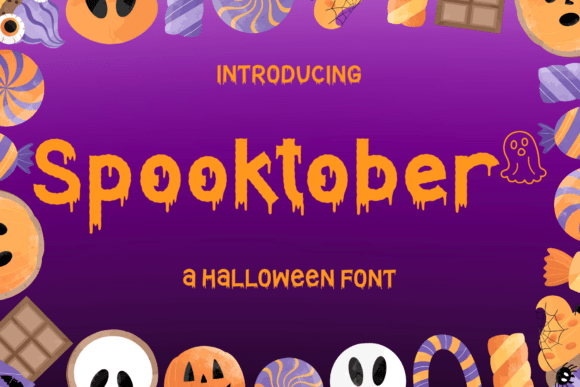
At its core, Spooktober is defined by its "dripping" aesthetic. Unlike standard serif or sans-serif typefaces that prioritize uniformity, this font mimics the visual texture of melting wax, slime, or condensation on a haunted window. Every letter is crafted to drip, creating an immediate visual association with ghostly vibes and the playful chaos of trick-or-treating. This characteristic makes it instantly recognizable, allowing viewers to identify the theme before reading a single word.
What sets Spooktober apart from many other Halloween-themed options is its intentional blend of boldness and fun. Many horror fonts lean heavily into the terrifying, using jagged edges and distorted shapes that can compromise readability. In contrast, Spooktober maintains a structural integrity that ensures legibility even when the letters are adorned with drips. It is inspired by the atmosphere of haunted houses but retains the lighthearted energy of a neighborhood party. This duality allows it to serve as a versatile tool for both professional designers seeking a unique headline and hobbyists looking to add a festive touch to crafting projects.
Furthermore, the technical construction of the font includes PUA (Private Use Area) encoding. This feature is significant for users who require access to a wide range of glyphs, swashes, and alternate characters without needing complex font management software. It streamlines the workflow, allowing for effortless customization of text elements while maintaining the cohesive dripping style across different characters.
Comparing Spooktober to Traditional Horror Typography
When evaluating Spooktober against other options in the seasonal typography category, several key differences emerge. The primary alternative category consists of "scary" or "horror" fonts that rely on blood splatters, skeletal structures, or gothic blackletter styles. While these alternatives excel at conveying dread or danger, they often struggle with versatility. A font that looks like dripping blood may be perfect for a thriller movie poster but feels out of place on a children's Halloween party invitation.
In comparison, Spooktober occupies a middle ground. It is less aggressive than pure horror fonts but more thematic than standard decorative scripts. For instance, if you are designing a banner for a community event, a traditional gothic font might appear too intimidating or difficult to read from a distance. Spooktober, with its bold strokes and clear character forms, remains readable while still delivering the necessary seasonal atmosphere. This makes it a stronger candidate for projects that need to communicate information quickly, such as event details on flyers or headlines on social media stories.
Another common alternative is the use of standard brush scripts with added effects. Designers sometimes take a plain handwritten font and apply liquid filters in post-production. However, this approach can lead to inconsistent results and increased file sizes. Spooktober integrates the effect directly into the glyph design, ensuring that the drips align perfectly with the letterforms. This native integration saves time and guarantees a polished look, which is a significant advantage over manually edited text.
Strengths and Tradeoffs in Real-World Applications
Understanding the strengths of Spooktober is essential for determining its best-fit situations. Its primary strength lies in its ability to pair seamlessly with seasonal illustrations. When used alongside icons of pumpkins, bats, ghosts, and cobwebs, the font enhances the overall composition rather than competing with it. The dripping effect acts as a visual bridge between the text and the imagery, creating a unified design language. This makes it particularly effective for digital content, such as Instagram stories, where visual cohesion drives engagement.
However, there are tradeoffs to consider. Because Spooktober is a display font, it is not intended for body copy. Using it for long paragraphs would result in poor readability and visual fatigue. The dripping elements, while charming in headlines, become distracting when applied to dense blocks of text. Therefore, it should be reserved for titles, slogans, and short phrases where impact is prioritized over volume.
Additionally, while the font is versatile, it is inherently tied to the Halloween season. Unlike neutral decorative fonts that can be repurposed for summer parties or winter holidays, Spooktober's identity is strictly seasonal. If you are looking for a year-round branding solution, this font may not offer the longevity you need. It is a specialized tool for a specific timeframe, which limits its utility outside of October and early November.
Best-Fit Scenarios for Spooktober
- Social Media Campaigns: Ideal for creating eye-catching headers on Instagram, TikTok, or Pinterest where quick visual recognition is key.
- Event Invitations: Perfect for Halloween parties, haunted house tours, or costume contests where a fun, non-threatening vibe is desired.
- Merchandise Design: Works well on mugs, t-shirts, and stickers where large, bold text is needed to stand out against graphic backgrounds.
- Crafting Projects: Suitable for scrapbooking, card making, and DIY banners due to its ease of use and clear character shapes.
Decision Factors: When to Choose Alternatives
While Spooktober offers a compelling option for many Halloween projects, it is not the right choice for every scenario. Evaluators should consider the tone of their project carefully. If the goal is to create a genuinely frightening experience—such as a marketing campaign for a high-intensity haunted attraction—a more grotesque or distressed font might be more appropriate. Spooktober leans towards the "cute-spooky" spectrum; it lacks the visceral shock value required for extreme horror themes.
Similarly, if the design context involves minimalism or a sophisticated, adult-oriented aesthetic, the playful nature of Spooktober might feel too juvenile. In cases where a subtle nod to the season is preferred over a full-throttle celebration, a cleaner serif or sans-serif font with a slight color adjustment could achieve the desired effect without overwhelming the layout.
Readers should also consider the medium. For physical printing, especially on small formats like business cards or tags, the intricate dripping details might get lost or bleed during the printing process. In these instances, a simpler font variant or a version of Spooktober with reduced detail (if available) might be safer. Conversely, for digital displays where resolution is high and scalability is easy, the font's detailed textures shine.
Integrating Spooktober into Your Design Workflow
For those deciding to incorporate Spooktober into their toolkit, the integration process is straightforward thanks to its PUA encoding. This allows designers to access alternate characters and swashes directly through standard input methods, reducing the need for third-party plugins. This efficiency is a notable benefit for professionals working under tight deadlines.
To maximize its potential, pair the font with high-contrast colors. Deep purples, vibrant oranges, and stark blacks work well to highlight the white or light-colored drips. Avoid using it on busy backgrounds where the text might blend in. Instead, let the font breathe by placing it against solid colors or simple gradients. This approach ensures that the unique character of the letters remains the focal point of the design.
Ultimately, the decision to use Spooktober comes down to the specific goals of your project. If you need a font that balances readability with a strong, playful Halloween identity, it is a robust choice. However, if your requirements demand extreme terror or year-round versatility, exploring other categories may yield better results. By weighing these factors, designers can make informed decisions that elevate their seasonal content without relying on generic templates.