Marquee Font: A Comprehensive Evaluation for Designers
The digital design landscape offers a vast array of typefaces, each catering to specific aesthetic needs and functional requirements. Among the diverse options available, the Marquee font has emerged as a notable choice for creators working across both virtual and physical mediums. Known for its bold, retro-inspired characteristics, this typeface is frequently utilized in projects ranging from vibrant T-shirts and adhesive stickers to sophisticated magazine layouts. However, before integrating Marquee into a design workflow, it is essential to understand its structural properties, versatility, and the contexts in which it performs best. This evaluation aims to provide an objective analysis to help designers determine if this font aligns with their specific project goals.
Understanding the Marquee Typeface
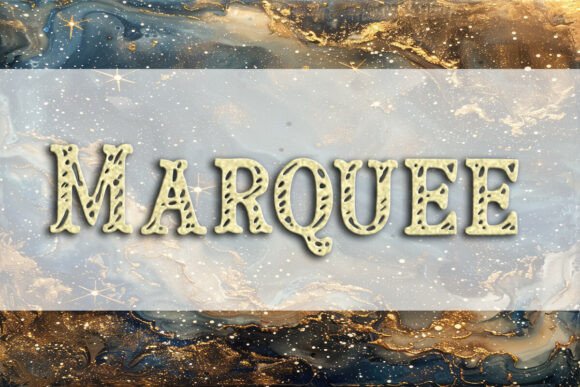
Marquee is a display typeface characterized by its condensed, blocky structure and distinct geometric forms. The design draws inspiration from vintage signage and classic cinema marquees, offering a visual weight that commands attention. Unlike standard body text fonts designed for long-form readability, Marquee is engineered for impact at larger sizes. Its letterforms typically feature uniform stroke widths and tight kerning, creating a cohesive and solid appearance when used in headlines or short phrases.
The versatility of Marquee lies in its ability to maintain legibility even when scaled down moderately, though it excels most prominently in large formats. Whether applied to SVG files for vector cutting machines or rendered as high-resolution raster images for print, the font retains its structural integrity. This makes it a frequent selection for creators using tools like Cricut, where precision and clarity are paramount for articulating finesse in cut-out designs.
Key Applications and Use Cases
Designers often turn to Marquee when they need a typeface that embodies a sense of nostalgia while remaining modern enough for contemporary branding. Its application spans a wide variety of media, making it a practical tool for diverse creative endeavors.
- Apparel and Merchandise: The bold nature of Marquee translates exceptionally well to fabric. On T-shirts, hoodies, and tote bags, the font ensures that logos and slogans remain visible and impactful from a distance.
- Branding and Identity: For businesses seeking to establish a unique brand identity, Marquee can serve as a distinctive element in logo design. It conveys strength and reliability, suitable for industries ranging from entertainment to automotive services.
- Print Media: In magazine layouts and posters, Marquee acts as an effective headline font. Its ability to capture attention quickly makes it ideal for cover stories or promotional materials that need to stand out on a crowded shelf.
- Digital and Social Media: In the realm of social media graphics, where competition for user attention is fierce, Marquee provides a strong visual anchor. It works well in story overlays, post headers, and banner images, helping to elevate the overall aesthetic of a feed.
- Craft Projects: Beyond professional design, the font is popular among hobbyists creating greeting cards, wall decals, and custom stickers. Its clean lines make it forgiving for DIY enthusiasts working with vinyl cutters.
Benefits and Strategic Advantages
The primary advantage of utilizing Marquee is its immediate visual impact. In a cluttered visual environment, a typeface that demands attention without requiring complex graphic elements is a valuable asset. The font's inherent boldness allows designers to create striking compositions with minimal effort, reducing the need for excessive embellishments.
Furthermore, Marquee offers excellent scalability within vector formats. When working with SVG files, the font paths are generally clean and efficient, ensuring smooth cuts on crafting machines and crisp edges in print production. This technical reliability reduces the likelihood of errors during the manufacturing process, such as broken letters or jagged edges, which can occur with more intricate or thin typefaces.
Another strategic benefit is its adaptability. While rooted in a retro style, the neutral color palette and geometric simplicity allow it to pair well with various design trends, from minimalist aesthetics to maximalist patterns. This flexibility means that a single font file can serve multiple projects over time, maximizing the return on investment for designers who purchase or license the typeface.
Tradeoffs and Considerations
Despite its strengths, Marquee is not a universal solution for all design challenges. The most significant tradeoff is its suitability for body text. Due to its condensed width and heavy stroke weight, reading extended passages in Marquee can be straining for the eyes. It should be reserved strictly for headlines, captions, or short statements. Attempting to use it for paragraphs in a brochure or website content will likely degrade the user experience and reduce readability.
Additionally, the distinctiveness of Marquee can sometimes clash with certain brand identities. If a company aims to project a soft, elegant, or highly traditional image, the industrial and bold nature of this font may feel incongruous. Designers must consider the emotional tone of their project; Marquee projects confidence and energy, but it lacks the subtlety required for luxury or delicate themes.
Licensing is another critical consideration. As with many specialized fonts, users must verify the licensing terms regarding commercial use. Some versions may restrict usage to personal projects only, while others require a premium license for merchandise sales or large-scale advertising campaigns. Ensuring compliance with these terms is essential to avoid legal complications.
When to Choose Alternatives
While Marquee is a powerful tool, there are scenarios where alternative typefaces may be more appropriate. If the project requires extensive text blocks, a serif or sans-serif font designed for readability, such as Helvetica or Georgia, would be a superior choice. Similarly, for projects requiring a handwritten or organic feel, script fonts or brush styles would better convey the desired personality.
In situations where space is extremely limited and the design relies on fine details, a thinner, more delicate font might be preferable. Marquee's heavy presence can overwhelm small spaces, making it difficult to balance with other graphical elements. Furthermore, if the target audience is primarily older adults, the high contrast and tight spacing of Marquee might pose accessibility challenges compared to fonts with wider tracking and lighter weights.
Practical Decision-Making Insights
To determine if Marquee is the right fit for your next project, evaluate the primary goal of the design. Is the objective to grab immediate attention with a short message? If so, Marquee is a strong contender. Does the project involve long-form content or require a subtle, understated elegance? In these cases, look elsewhere.
Consider the medium of delivery. For physical products like T-shirts and stickers, test the font at the actual size it will appear. Ensure that the details hold up when printed or cut. For digital applications, check how the font renders on different screen sizes, particularly mobile devices where space is constrained.
Finally, assess the compatibility with your existing brand assets. Pair Marquee with complementary colors and imagery to see if the combination achieves the desired effect. A successful integration depends not just on the font itself, but on how it interacts with the broader design system. By weighing these factors objectively, designers can make informed decisions that enhance their creative output without relying on hype or trends.