Evaluating From Busans: A Hangeul-Inspired Display Font
In the realm of digital typography, display fonts serve a specific purpose: to capture attention and establish an immediate visual tone. From Busans is a typeface that enters this space with a distinct aesthetic derived from Korean culture. It is not a general-purpose font designed for body text; rather, it is a specialized tool intended for headlines, logos, and short-form messaging where character and style are paramount. For designers, marketers, and content creators looking to incorporate East Asian visual elements into their work, understanding the capabilities and limitations of From Busans is essential before integrating it into a project.
Understanding the Design Philosophy
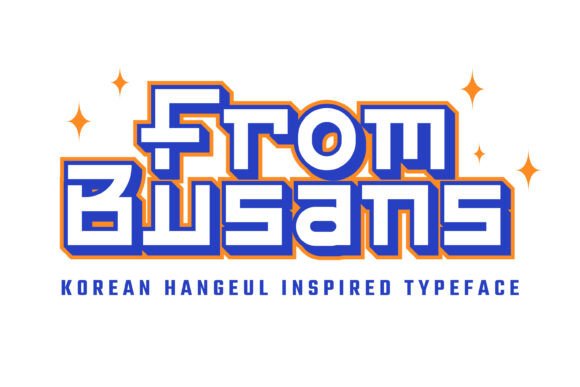
From Busans is explicitly categorized as a display font inspired by the geometric structures of Korean Hangeul. Unlike traditional serif or sans-serif Latin typefaces that prioritize legibility across varying sizes, display fonts like From Busans prioritize personality and stylistic impact. The design features boxy shapes, thick outlines, and a rhythmic structure that mimics the angularity found in Hangul characters.
The "boxy" nature of the glyphs gives the font a constructed, almost architectural feel. This structural choice creates a high-contrast look that stands out against clean backgrounds. The inclusion of outline styles adds depth, allowing the letters to function almost as graphic illustrations rather than mere text. When evaluating this font, it is important to recognize that its primary value lies in its ability to evoke a specific cultural vibe—specifically, a modern, playful interpretation of Korean aesthetics that bridges Eastern and Western design sensibilities.
Reasons to Consider From Busans
There are several practical scenarios where a designer might select From Busans over other available options. The decision often hinges on the need for a specific thematic connection without relying on actual Korean script, which may be unreadable to a global audience.
- Cultural Thematic Alignment: For projects related to K-pop, K-dramas, or Korean cuisine, this font offers an instant visual cue. It signals "Korean influence" to the viewer through shape and rhythm rather than language, making it accessible to non-Korean speakers while maintaining authenticity.
- Visual Impact in Headlines: The bold weight and quirky geometry make it effective for large-scale text. In contexts such as poster designs, social media banners, or event flyers, the font commands attention due to its unique silhouette.
- Brand Differentiation: In saturated markets, standard fonts can cause a brand to blend in. From Busans provides a distinctive look that can help a product or campaign stand out, particularly in sectors like streetwear, snack packaging, or youth-oriented entertainment.
- Graphic Integration: Because the font has strong graphical qualities, it can be easily manipulated within design software. The outlines and solid blocks allow for color fills, drop shadows, and texture overlays that enhance the overall composition.
Benefits and Tradeoffs
While the stylistic benefits of From Busans are clear, adopting it requires an understanding of the tradeoffs involved in using any heavy display typeface.
The primary benefit is immediate recognition. The font's unique identity reduces the cognitive load on the viewer regarding the theme of the content. If the goal is to sell a Korean-inspired snack or promote a K-pop concert, the font does much of the communicative work before the viewer reads a single word. Additionally, the versatility of the outline style allows for creative layering, enabling designers to create depth and dimension that simpler fonts cannot achieve.
However, these benefits come with significant tradeoffs. The most critical limitation is legibility at small sizes. Due to the intricate details, thick strokes, and outlined effects, From Busans becomes difficult to read when scaled down. It is unsuitable for paragraphs, captions, or footnotes. Using it for anything other than large headlines can result in a poor user experience.
Furthermore, there is a risk of visual fatigue. Because the font is so bold and busy, using it for extended periods or in large quantities can overwhelm the viewer. It demands negative space to breathe. If a layout is already dense with information, adding From Busans can make the design feel cluttered and chaotic rather than dynamic.
Ideal Use Cases
To maximize the effectiveness of From Busans, it should be deployed in situations where its specific characteristics align with the project goals. It is a strong fit for:
- Event Posters and Flyers: Where the title needs to dominate the visual hierarchy.
- Merchandise Branding: Such as T-shirts, tote bags, or stickers where the text acts as a logo or graphic element.
- Packaging Design: Specifically for products targeting younger demographics or those emphasizing fun and flavor.
- Digital Headers: Website hero sections or YouTube thumbnails where the text is viewed at a large scale.
In these contexts, the font's "attitude" serves the functional goal of grabbing attention quickly. The playful rhythm complements content that is meant to be energetic, modern, and culturally relevant.
When to Consider Alternatives
Despite its strengths, From Busans is not a universal solution. There are specific situations where selecting an alternative typeface would be more prudent. Designers should consider alternatives if:
- Readability is the Priority: If the text contains critical information, instructions, or legal disclaimers, a standard sans-serif or serif font is necessary. From Busans should never be used for body copy.
- The Tone is Serious or Formal: The quirky and funky nature of the font clashes with corporate, medical, or solemn themes. Using it in a context requiring authority or trust could undermine the message.
- Minimalist Aesthetics are Required: If the design strategy relies on extreme minimalism, the heavy weight and complex shapes of From Busans may introduce too much visual noise.
- Long-Term Versatility is Needed: Trend-driven fonts can date quickly. If a brand identity needs to remain consistent for years, a more timeless typeface might be a safer investment.
Practical Decision-Making Insights
When deciding whether From Busans aligns with your specific needs, apply a structured evaluation process. First, define the primary goal of the text. Is it to inform or to attract? If the goal is attraction and the subject matter relates to Korean pop culture or playful energy, the font is a viable candidate.
Second, test the font at the intended size. Create a mockup of the final output and view it at 100% scale. If the outlines blur together or the letters become indistinguishable, the font is too small for this application. Third, evaluate the pairing. Since From Busans is so dominant, it requires a neutral partner. Pairing it with a simple, clean sans-serif for subtext will ensure the design remains balanced and readable.
Finally, consider the longevity of the project. While From Busans offers a vibrant, contemporary look, ensure that this style supports the long-term vision of the brand or campaign. By weighing these factors—legibility, tonal alignment, and scalability—designers can determine if this Hangeul-inspired display font is the right tool for their specific creative challenge.