Doodle Chalk: A Versatile Font for Creative Workflows
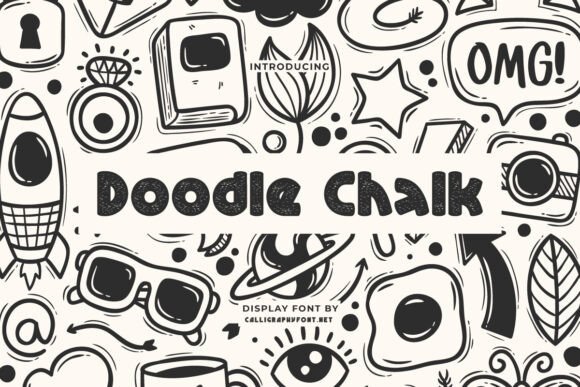
When selecting a typeface for a design project, the right font doesn’t just communicate a message — it enhances the visual tone and connects with the audience on an emotional level. Doodle Chalk stands out as a distinctive chalkboard-style font with bubble letter shapes rendered in a textured, sketch-like “doodle” aesthetic. Whether you're designing a cafe menu board, a social media graphic, or a product label, this font brings a playful yet professional edge to your work.
Understanding Doodle Chalk in the Design Process
Doodle Chalk fits naturally into the early stages of any creative workflow where visual tone and brand personality are defined. Its sketch-style appearance mimics hand-drawn lettering, making it ideal for projects that aim to feel approachable, creative, or educational. Designers often use it during the ideation phase to test how a more casual, hand-crafted font interacts with other visual elements before committing to final layouts.
Because of its textured appearance, it’s important to consider how Doodle Chalk will perform across different mediums. For print, ensure the resolution supports the texture without becoming pixelated. For digital use, test legibility on various screen sizes and background colors to maintain readability while preserving its unique charm.
Using Doodle Chalk Across Creative Projects
This font shines in a wide range of applications. Here are several practical examples of how Doodle Chalk can be integrated effectively:
- Menu Boards: Perfect for cafes and restaurants aiming for a cozy, hand-written look.
- Social Media Posts: Adds a personal, sketch-like feel to quotes, announcements, or educational graphics.
- Stationery and Invitations: Ideal for events with a whimsical or artistic theme.
- Book Covers and Brochures: Can help create a youthful, creative vibe that appeals to younger audiences or educational content.
- Product Packaging: Especially useful for brands that want to convey a handmade or artisanal quality.
Integration with Other Tools and Platforms
Designers often combine Doodle Chalk with other fonts and graphic elements to achieve balance and hierarchy. Pairing it with a clean sans-serif or a minimalist script can help maintain readability while adding visual interest. When using this font in a layered design, ensure it doesn’t overpower other content elements by adjusting contrast, spacing, and layering order.
For digital platforms like Canva, Adobe Photoshop, or Figma, make sure the font is properly installed and compatible with the export settings you plan to use. If working in a team, share the font file or embed it in design assets to maintain consistency across devices and workflows.
Practical Tips for Using Doodle Chalk Effectively
Here are several strategies to help you integrate Doodle Chalk into your creative process with confidence:
- Test at Different Sizes: The textured strokes can become less defined at very small sizes, so always preview the font in its intended context.
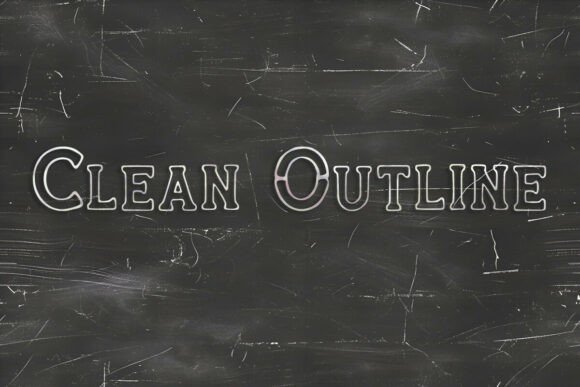
- Use Contrasting Backgrounds: A light-colored font on a dark chalkboard background can enhance legibility and mood.
- Limit Use to Key Text Elements: While it’s visually engaging, overusing Doodle Chalk can reduce readability and distract from the core message.
- Consider Licensing: Always check the usage rights, especially for commercial projects such as product packaging or app interfaces.
- Organize Font Variants: If the font includes multiple weights or styles, keep them well-organized in your font manager to streamline the design process.
Preparing for Long-Term Use
When planning for ongoing use of Doodle Chalk in branding or recurring projects, consider how it aligns with your visual identity over time. Will it still feel relevant in six months or two years? Conduct a quick audit of your current brand assets to ensure consistency. Also, document the font’s usage guidelines internally to help maintain a unified style across different team members or departments.
Workflow Examples Featuring Doodle Chalk
Here are two real-world scenarios where Doodle Chalk plays a key role in the creative process:
- Cafe Menu Redesign: A small business owner uses Doodle Chalk for menu headers to create a warm, inviting atmosphere. They pair it with a simple sans-serif body font to ensure readability while maintaining a cohesive design style.
- Educational Poster Series: A teacher creates a set of classroom posters using Doodle Chalk to highlight key vocabulary. The font’s playful texture helps engage students without sacrificing clarity.
Conclusion: Making Doodle Chalk a Seamless Part of Your Design Toolkit
Integrating Doodle Chalk into your creative process doesn’t require a complete overhaul of your existing workflow. By understanding its strengths and limitations, you can use it strategically to enhance your visual communication. Whether you're designing a product mockup, a digital ad, or a printed flyer, this font offers a unique blend of charm and versatility that can elevate your project with minimal effort.
As with any design element, the key is to use it intentionally and in alignment with your overall message. When applied thoughtfully, Doodle Chalk becomes more than just a font — it becomes a part of your visual storytelling toolkit.